




Latest news
All recent news from British Sugar
British Sugar successfully concludes sugar beet campaign following special centenary year
12 March 2026
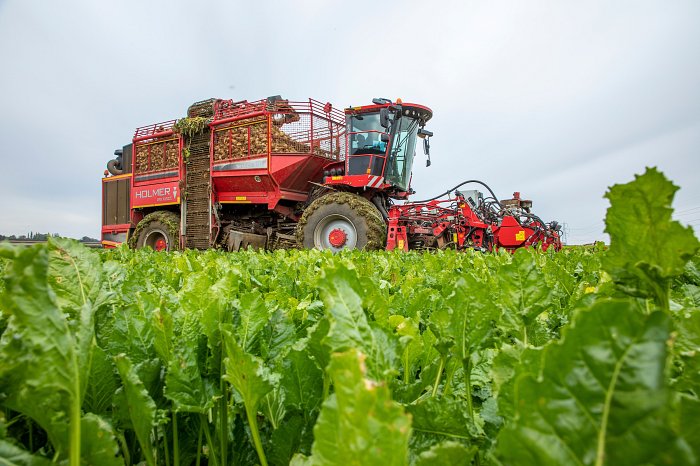
The UK’s homegrown sugar beet industry concluded its 2025/26 campaign with the Newark factory the last site to close its gates earlier this week.
Over seven million tonnes of locally grown sugar beet has been processed by British Sugar’s four factories, producing close to one million tonnes of sugar.
This campaign also marked a special occasion for British Sugar’s two largest factories, with both Bury St Edmunds and Wissington celebrating their 100th sugar beet campaigns.
Dan Green, Agriculture Director at British Sugar said:
"I am pleased to say that the 2025/26 sugar beet campaign has successfully concluded, and we’d like to thank all of our growers, harvesting contractors and hauliers for getting us to this stage safely.
“This campaign has been one of two halves. We had a strong start to processing in September thanks to favourable lifting conditions up throughout Autumn and to January, when persistent cold and wet weather restricted beet deliveries into our factories.
“Looking more broadly, growers have delivered sugar yields exceeding five-year averages, and overall factory performance has been amongst the best in recent years.
“Ongoing investments into energy and carbon reduction have contributed towards an efficient operational performance, and all four of our factories have benefited from the increased visibility across our sugar beet supply chain, thanks to new investments in our Lifted and Delivered apps, helping keep our factories fully stocked. Now we know when and where beet is being lifted and stored – this proved extremely helpful when faced with adverse weather earlier this year.”
The 2025/26 campaign also saw several significant investments come online at British Sugar’s factories. The new £19.5m evaporators at Bury St Edmunds were commissioned for the start of campaign and will reduce Scope 1 CO2e emissions by 20,000 tonnes a year, and Cantley’s new gas-powered Combined Heat and Power Plant, will reduce Scope 1 CO2e emissions by around 16,000 tonnes a year. Wissington is also powering through its build of a new steam drying plant, which is due to be commissioned and ready for the start of the 2026/27 sugar beet campaign in the Autumn, reducing Scope 1 CO2e emissions by 50,000 tonnes a year. At Newark, a rigorous maintenance programme and embedded upgrades have significantly improved operational reliability.
Dan continues: “In a difficult commercial environment, we are maintaining our significant programme of ongoing investments into operational maintenance and energy efficiency. These improvements help us to maintain productivity and profitability when set against a difficult commercial outlook, as well as delivering against our decarbonisation and sustainability targets.
“The major investments into energy reduction and decarbonisation ensure that we’re setting ourselves up for the future, placing ourselves in the realms of one of the most efficient processors of beet in Europe.”
With Spring on its way, Dan’s sights are set on the next crop to go into the ground.
He continues: “Looking ahead, drilling will start later this month across the beet growing area. This season the crop is expected to face increased risk from Virus Yellows, but growers will have access to a 3-spray programme to help mitigate this increased risk. In addition, earlier sowing and on-farm hygiene will be crucial to further minimise this risk.
“Across the industry, we will continue to monitor aphid migration and subsequent risk to the crop, and the work underway within the Virus Yellows Pathway remains an important driver in finding solutions to the threat posed by the disease.”
Notes to editors:
- British Sugar is the sole processor of the UK’s beet sugar crop. Working with around 2,300 growers in the East of England, East Midlands and Yorkshire, our four factories can produce up to 1.2 million tonnes of sugar annually. We create more than 27 different sugar and co-products and produce less than 200 grams of waste for every tonne of sugar beet processed.
- Statistics and figures referenced are British Sugar’s own.
- For more information please contact: press@britishsugar.com
Take a look at...

Sustainability at British Sugar

About Us

Sustainability: Frequently Asked Questions

Registered in England
No. 315158 at Weston Centre
10 Grosvenor Street
London W1K 4QY