




Latest news
All recent news from British Sugar
British Sugar’s gene editing research project boosted by a further £1.1m government funding
10 February 2026
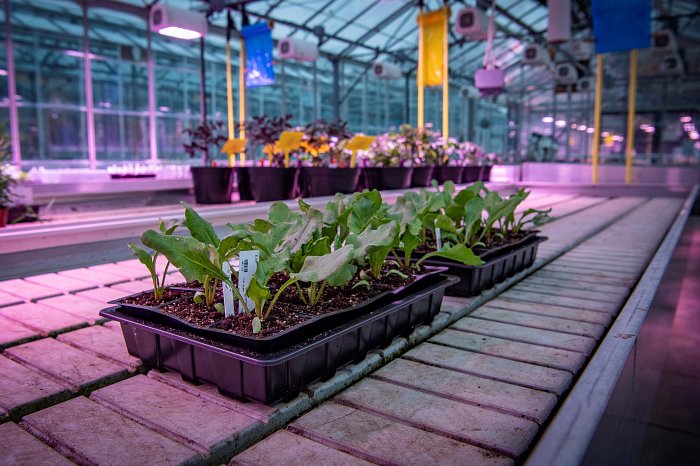
British Sugar is delighted to have secured an additional £1.1m in grant funding from the UK Government, to further progress its research into how gene editing can leverage natural Virus Yellows resistance in sugar beet.
The funding by Defra’s Farming Innovation Programme, delivered in partnership with Innovate UK, which is awarded jointly to British Sugar, agricultural biotechnology company Tropic and the world-leading plant science institute The John Innes Centre (JIC), will total £1,159,351[1].
The gene editing project, now entering its third year, uses Tropic’s Gene Editing induced Gene Silencing (GEiGS®) technology platform to introduce minimal, precise genetic changes to redirect sugar beet’s own natural defence mechanisms towards enabling resistance to Virus Yellows – a crop disease spread by aphids, which can have significant impacts on the livelihoods of British sugar beet growers. Initial cell-based tests of the GEiGS® solutions are encouraging of virus resistance, the next step is to test these solutions in full plants.
This funding will allow the project team to advance the research towards commercialisation. Ensuring that precision bred solutions can be implemented across commercially relevant sugar beet varieties, conferring resistance to the most damaging and hard to target beet yellows virus (BYV).
As we approach the end of the decade, it is hoped that the project team will have confirmation of Virus Yellows resistance in gene edited plants in the lab, which can then be assessed in field trials.
Dan Green, British Sugar Agriculture Director, said: “We are delighted to receive this additional funding from the UK Government. It is testament to the engagement and dedication of our project team and partners, who have worked on this project over the last two years. This funding will enable the team to continue progressing their pioneering work towards protecting the sugar beet crop from Virus Yellows disease, and potentially other crop diseases in the future.”
Jack Peart, Chief Development Officer at Tropic, said: “Tropic is proud to continue working on this project, applying our GEiGS® technology in ways that bring real benefits for farmers. GEiGS® allows us to develop sugar beet varieties that are resistant to Virus Yellows disease, where traditional breeding has fallen short, helping farmers protect their crops and reduce losses. This work reflects our commitment to sustainability and using innovation responsibly to support local growers and build a more reliable, environmentally conscious future for UK agriculture.”
Professor Steven Penfield from the John Innes Centre said: “This welcome investment will help us to apply our precision breeding expertise in protecting sugar beet, which is so critical as a break crop, a source of sustainable fuels and a key ingredient in a future, greener biotech economy.”
Ultimately, successful project outcomes will protect British sugar beet farmers from potentially catastrophic losses to Virus Yellows disease, increase crop productivity, resilience, and sustainability, while supporting progression towards net zero emissions in English agriculture. It will also build technical capabilities in sugar beet gene editing for the UK and, more generally, develop other traits to protect and enhance the crop.
[1] This funding is supplementary to the £663,443 received in January 2024 at the initial stages of the research project, which is also being supported by The British Beet Research Organisation – the UK beet sugar industry’s dedicated research centre.
Notes to editors:
- Innovate UK, part of UK Research and Innovation, is creating a better future by inspiring, involving and investing in businesses developing life-changing innovations.
- Gene Editing induced Gene Silencing (GEiGS® - www.geigs.com) harnesses naturally occurring immune mechanisms of RNA interference (RNAi). GEiGS® introduces minimal, precise changes that are non-transgenic in the host’s non-coding RNA genes to redirect their silencing function towards any target of choice for example, regulating expression of an endogenous host gene to alter nutrient composition, yield and more, or directly targeting exogenous genes to build resistance against a range of pests and pathogens.
- In 2020, the UK beet sugar industry suffered an extreme and unprecedented impact of Virus Yellows disease, with at least 40% of the crop affected nationally, and overall yields were down 25% on the five-year average. Work has since been ongoing to protect the crop from this disease.
- Read the latest update from the sugar beet industry’s Virus Yellows Pathway here.
- Read Defra’s announcement here
Take a look at...
Sustainability at British Sugar
About Us
Sustainability: Frequently Asked Questions

Registered in England
No. 315158 at Weston Centre
10 Grosvenor Street
London W1K 4QY